
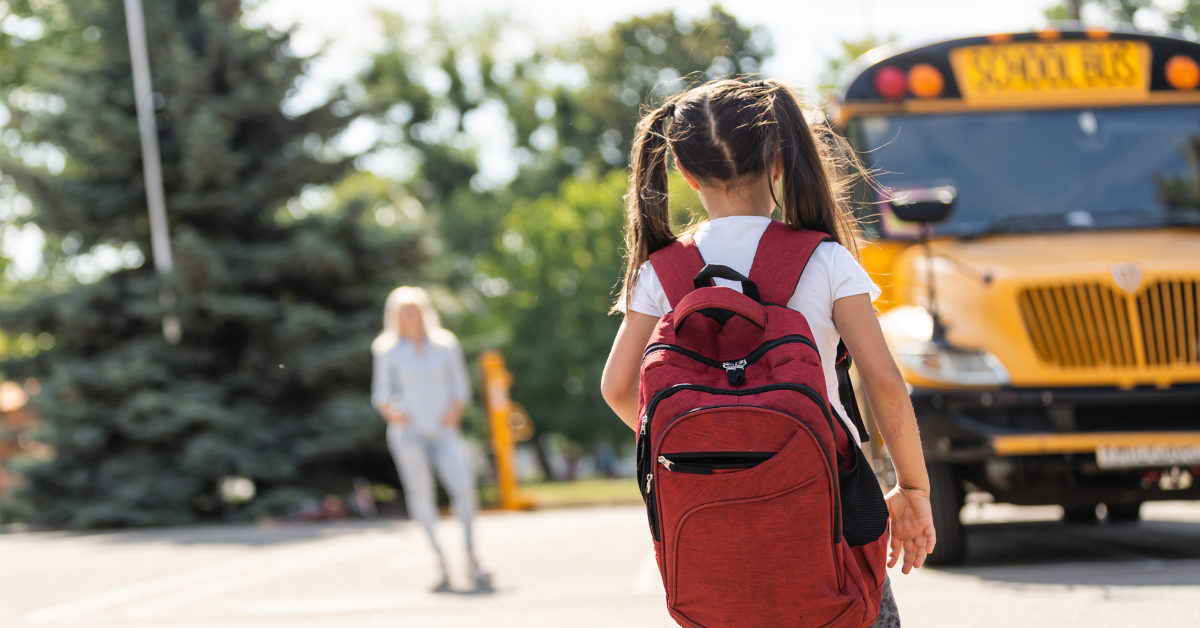
As a new school year begins, school buses once again become a familiar sight on neighborhood streets and highways. Every day, millions of students rely on school buses to travel safely to and from school. While school buses are one of the safest forms of transportation, staying safe requires cooperation from students, parents, and motorists alike.
Whether your child rides the bus every day or you simply share the road with school buses during your commute, following a few simple safety practices can help prevent accidents and protect young passengers.
Why School Bus Safety Is Important
School buses are designed with numerous safety features, including flashing lights, stop arms, reinforced sides, and high-visibility colors. Even so, the areas around a stopped school bus can be especially dangerous if drivers or students are not paying attention.
Many school bus-related injuries occur not while children are riding the bus, but while they are getting on, getting off, or crossing the street. Understanding how to safely navigate these situations can make all the difference.
Safety Tips for Students
Children play an important role in staying safe during their bus ride.
Arrive Early
Encourage students to arrive at the bus stop at least five minutes before the scheduled pickup time. This helps prevent rushing and allows them to wait calmly for the bus.
Wait in a Safe Location
Students should stand several feet away from the curb or roadside while waiting. Avoid playing, running, or pushing near traffic.
Board the Bus Safely
When the bus arrives:
- Wait until it comes to a complete stop.
- Allow passengers to exit before boarding.
- Use the handrail when entering the bus.
- Walk, never run, onto the bus.
- Stay Seated
Once on board, students should:
- Sit facing forward.
- Keep aisles clear of backpacks and personal items.
- Keep hands, arms, and heads inside the bus.
- Follow the driver’s instructions at all times.
Good behavior helps the driver stay focused on the road and keeps everyone safer.
Getting Off the Bus Safely
Exiting the bus requires just as much attention as boarding.
Students should:
- Wait until the bus has completely stopped.
- Use the handrail when exiting.
- Walk at least 10 feet in front of the bus before crossing the street.
- Make eye contact with the driver before crossing.
- Never walk behind the bus.
If a student drops something near the bus, they should never bend down to retrieve it without first alerting the driver. The driver may not be able to see them.
Tips for Parents
Parents can reinforce safe habits by talking with their children about bus safety throughout the school year.
Practice the Route
If your child is riding the bus for the first time, walk the route together and identify safe places to wait.
Dress for Visibility
Bright or reflective clothing can make children easier for drivers to see, especially during early morning hours.
Review Safety Rules
Regularly remind children about:
- Staying alert around traffic.
- Avoiding distractions like phones while crossing streets.
- Respecting the bus driver and following directions.
Simple conversations can help children build lifelong safety habits.
Tips for Drivers
Motorists have a legal and moral responsibility to protect children around school buses.
Slow Down
Reduce your speed whenever you see a school bus or enter a school zone. Children can be unpredictable, and extra caution is essential.
Stop for Flashing Red Lights
When a school bus extends its stop arm and activates flashing red lights, drivers must stop according to their state’s traffic laws.
Never attempt to pass a stopped school bus unless it is clearly permitted.
Stay Alert
Watch carefully for children crossing streets, especially:
- In neighborhoods
- Near schools
- At bus stops
- During early morning and afternoon hours
Children may unexpectedly step into traffic, making attentive driving especially important.
Eliminate Distractions
Distracted driving is dangerous every day, but especially around schools and bus stops.
While driving:
- Put away your phone.
- Avoid eating or adjusting electronics.
- Keep your attention focused on the road.
A few seconds of distraction can have serious consequences.
Be Extra Careful in Bad Weather
Rain, fog, or low light can reduce visibility during the school commute.
Drivers should:
- Turn on headlights when appropriate.
- Increase following distance.
- Allow extra travel time.
- Watch carefully for children wearing rain gear or carrying umbrellas.
Students should also wear weather-appropriate clothing and exercise extra caution when sidewalks or roads are slippery.
Building a Culture of Safety
School bus safety is a shared responsibility. When students follow safety rules, parents reinforce good habits, and drivers remain patient and attentive, everyone helps create a safer community.
Taking just a few extra moments to slow down, stay alert, and follow traffic laws can help prevent accidents and ensure children arrive safely at school and back home each day.
The beginning of a new school year is an exciting time for students and families, but it also brings increased traffic and new safety considerations. By practicing smart school bus safety habits, we can all do our part to protect children during their daily commute.
Whether you’re a parent preparing your child for the bus, a student learning the rules, or a driver sharing the road, remember that safety starts with awareness and responsibility.
This school year, let’s work together to make every trip to and from school a safe one.