
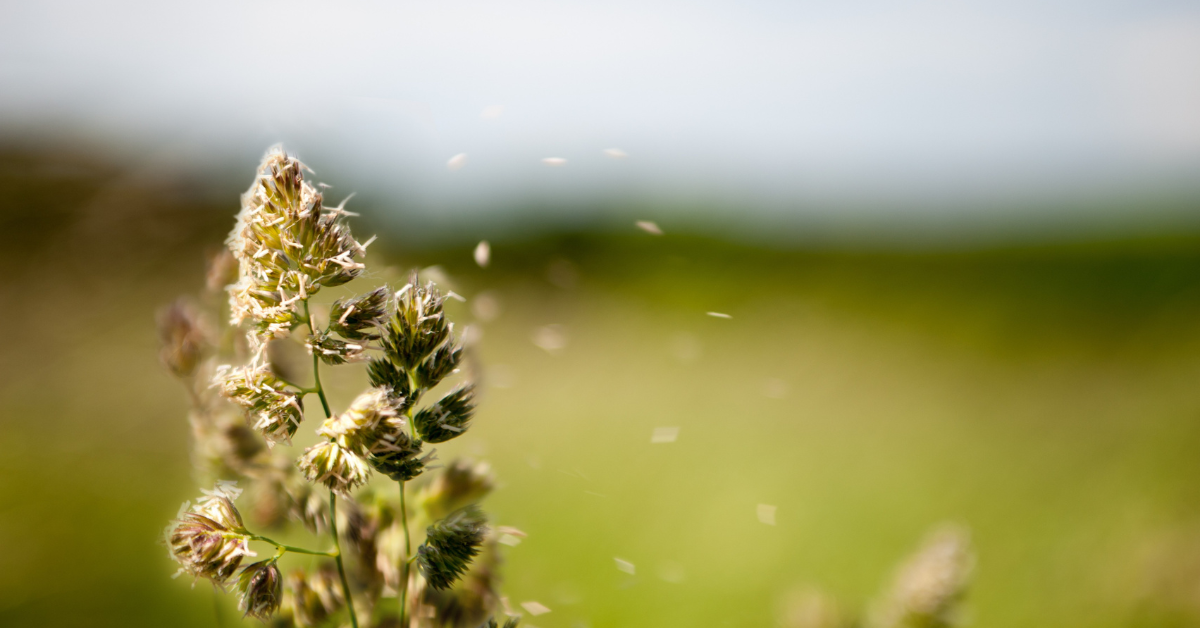
Spring is a welcome change for many people. Longer days, blooming flowers, and warmer temperatures bring renewed energy and outdoor enjoyment. But for millions of individuals, spring also marks the start of seasonal allergy season.
If you find yourself sneezing more often, battling itchy eyes, or dealing with persistent congestion as winter fades, you’re not alone. Understanding what causes spring allergies and how to manage symptoms can help you enjoy the season rather than endure it.
What Causes Spring Allergies?
Seasonal allergies—also known as allergic rhinitis or “hay fever”—are triggered by airborne allergens. In spring, the biggest culprit is pollen.
Common Spring Allergy Triggers
- Tree pollen (oak, cedar, birch, maple, etc.)
- Grass pollen (later in spring)
- Mold spores (from damp leaves and soil)
- Dust and outdoor debris
Plants release pollen into the air as part of their reproductive cycle. While harmless to most people, pollen can trigger immune system reactions in allergy sufferers.
When your body mistakes pollen for a harmful invader, it releases histamines—chemicals responsible for allergy symptoms.
Recognizing Common Allergy Symptoms
Spring allergy symptoms can range from mild irritation to significant discomfort. They often resemble a cold but typically persist longer and occur seasonally.
Typical Symptoms Include:
- Sneezing
- Runny or stuffy nose
- Itchy or watery eyes
- Scratchy throat
- Postnasal drip
- Coughing
- Sinus pressure
- Fatigue
Unlike a cold, allergies usually do not cause fever or body aches. Symptoms also tend to last weeks rather than days.
When Does Allergy Season Start?
The timing of spring allergies varies by region and weather conditions. Warmer winters and early springs can lead to earlier and more intense pollen seasons.
Generally:
- Early spring: Tree pollen dominates
- Late spring: Grass pollen increases
Tracking pollen counts helps you plan outdoor activities and reduce exposure during peak times.
Why Allergy Seasons Can Feel Worse Some Years
Many people notice that allergies fluctuate in severity from year to year. Several factors influence this:
- Weather patterns (rain, wind, temperature)
- Longer growing seasons
- Air pollution
- Climate changes
Windy days spread pollen more easily, while rain can temporarily reduce airborne allergens. However, rain may also promote mold growth, another trigger.
Reducing Allergen Exposure at Home
While you can’t eliminate pollen outdoors, you can minimize how much enters your home.
Helpful Prevention Strategies
- Keep windows closed: Fresh spring air is tempting, but open windows allow pollen inside.
- Use air conditioning: HVAC systems with clean filters help reduce airborne allergens.
- Change clothes after being outdoors: Pollen can cling to fabrics and hair.
- Shower before bedtime: Removes allergens that may otherwise transfer to bedding.
- Clean frequently: Dust and vacuum using HEPA-filtered equipment if possible.
- Dry laundry indoors: Outdoor drying can coat clothes with pollen.
Managing Outdoor Activities During Allergy Season
You don’t have to stay indoors all spring. A few adjustments can help:
- Check daily pollen counts: Limit outdoor activity during high pollen periods (often morning)
- Wear sunglasses to protect eyes: Consider wearing a mask when mowing or gardening
- Avoid freshly cut grass: After spending time outdoors, wash hands and face to remove allergens.
Over-the-Counter Relief Options
Many allergy sufferers benefit from non-prescription treatments.
Common Options Include:
- Antihistamines
- Decongestants
- Nasal sprays
- Eye drops
These medications can help control symptoms but should be used as directed. Some may cause drowsiness or interact with other medications.
Consult your healthcare provider if:
- Symptoms are severe
- OTC treatments aren’t effective
- You have underlying health conditions
Natural and Lifestyle Approaches
Some individuals explore complementary strategies for relief.
Examples include:
- Saline nasal rinses
- Staying well-hydrated
- Maintaining clean indoor air
- Managing stress levels
- Eating a balanced diet
While results vary, these habits often support overall respiratory health.
When to Seek Medical Advice
Seasonal allergies are common, but persistent or worsening symptoms may require professional evaluation.
Consider seeing a healthcare provider if you experience:
- Chronic sinus infections
- Breathing difficulties
- Severe congestion
- Disrupted sleep
- Symptoms lasting beyond allergy season
Allergy testing may identify specific triggers and guide treatment options.
Enjoying Spring Despite Allergies
Spring should be a season of renewal, not frustration. While seasonal allergies can be disruptive, understanding triggers and taking preventative measures can dramatically reduce discomfort.
By staying informed, limiting exposure, and managing symptoms early, you can reclaim the joys of spring—from outdoor walks to open-air gatherings.
A little preparation goes a long way toward breathing easier this season.