
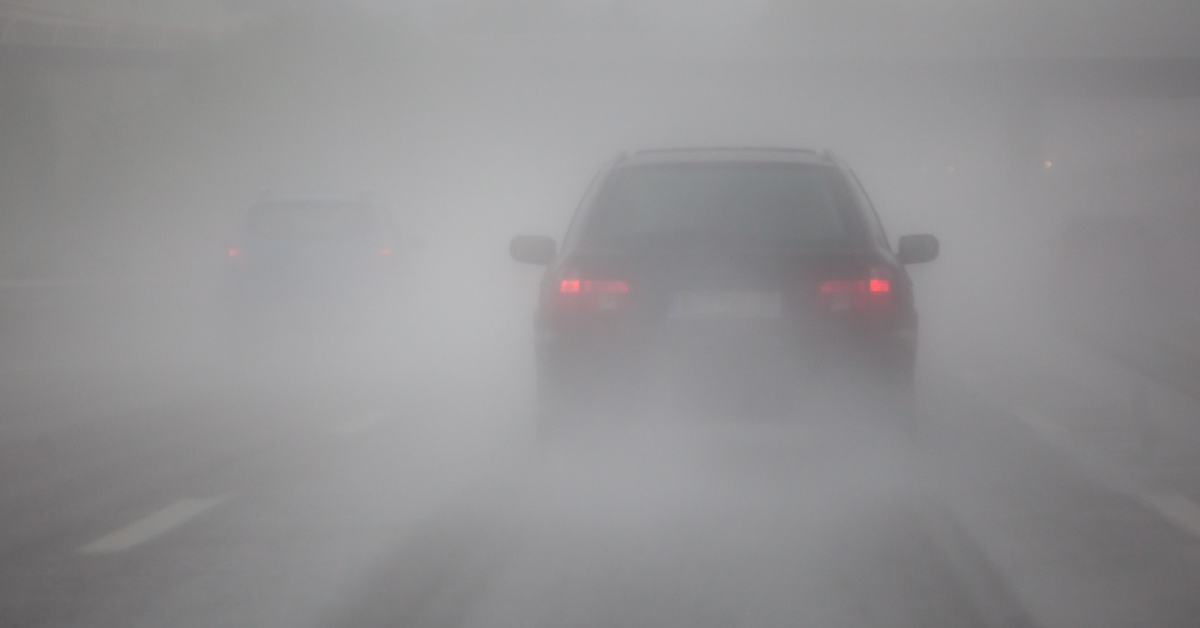
Spring rain can make even familiar roads more dangerous. Wet pavement, reduced visibility, and standing water can all increase the risk of accidents. The good news is that a few simple adjustments can help you stay safer behind the wheel.
Why Rainy Weather Is Risky
Rain reduces tire traction and increases stopping distance. It can also make it harder to see other vehicles, pedestrians, and road hazards. Even light rain can create slick roads, especially after a dry period when oil rises to the surface.
Common rainy-weather hazards include:
- Slippery roads
- Low visibility
- Hydroplaning
- Flooded areas
- Hidden potholes and debris
- Slow Down and Leave More Space
One of the best things you can do in rainy weather is slow down. Driving too fast on wet roads makes it harder to stop and easier to lose control.
It’s also smart to leave extra space between your vehicle and the one in front of you. More distance gives you more time to react if traffic suddenly slows or stops.
Turn On Your Headlights
Rainy conditions often reduce visibility, even during the day. Turning on your headlights helps you see the road and makes your vehicle easier for others to see.
Use regular headlights rather than high beams, since high beams can reflect off the rain and make visibility worse.
Watch for Hydroplaning
Hydroplaning happens when your tires lose contact with the road and begin sliding on water. This can make steering and braking difficult.
If your vehicle starts to hydroplane:
- Stay calm
- Ease off the accelerator
- Do not slam on the brakes
- Steer gently in the direction you want to go
To reduce the risk, slow down and avoid large puddles or standing water.
Avoid Sudden Braking or Sharp Turns
Quick movements can cause your vehicle to skid on wet roads. Brake gently, accelerate slowly, and make turns carefully. Smooth driving gives your tires a better chance to maintain traction.
Stay Away from Flooded Roads
Never drive through floodwater if you’re unsure how deep it is. Water can hide potholes, debris, or even washed-out sections of road. In some cases, just a small amount of moving water can affect your control.
If a road looks flooded, turn around and find another route.
Check Your Vehicle
Spring is a good time to make sure your car is ready for rainy weather. Pay close attention to:
- Tire tread and air pressure
- Windshield wipers
- Washer fluid
- Brakes
- Headlights
Good tires and working wipers can make a big difference in wet conditions.
Stay Focused
Rainy weather requires extra attention, so it’s important to avoid distractions. Put your phone away, set your GPS before you leave, and keep both hands on the wheel.
Also watch carefully for pedestrians and cyclists, who may be harder to see in rainy conditions.
Drive Safe!
Driving in rainy spring weather doesn’t have to be stressful, but it does require extra caution. Slowing down, increasing following distance, using your headlights, and making sure your vehicle is in good shape can help you stay safer on the road.
A little extra care during wet weather can go a long way toward preventing accidents and helping everyone get where they need to go safely.