
As temperatures rise and summer activities begin, pools, lakes, and beaches become popular places to cool off and relax. Whether you are planning a family pool day, a lake outing, or a beach vacation, water safety should always be a top priority.
While swimming and boating can be fun and refreshing, water-related accidents can happen quickly and unexpectedly. The good news is that many accidents are preventable with proper preparation, awareness, and supervision.
Here are important water safety tips to help keep you, your family, and your friends safer this summer.
Why Water Safety Matters
Water can be unpredictable, even for experienced swimmers. Conditions such as strong currents, slippery surfaces, changing weather, and lack of supervision can quickly turn dangerous.
Children are especially vulnerable around water, but adults can also face risks from fatigue, diving injuries, dehydration, or unexpected water conditions.
Practicing good water safety habits helps reduce the risk of injury and allows everyone to enjoy summer activities more confidently.
Always Supervise Children Around Water
One of the most important safety rules is constant supervision.
Water Safety Supervision Tips
- Never leave children unattended near water
- Stay within arm’s reach of young children
- Avoid distractions like phones or conversations
- Assign a responsible adult as the designated “water watcher”
Accidents can happen silently and in seconds, even in shallow water. Active supervision is one of the best ways to prevent drowning.
Learn Basic Swimming and Water Skills
Swimming is an important life skill that can improve confidence and safety around water.
Helpful Skills Include:
- Floating or treading water
- Basic swimming strokes
- Safe entry and exit techniques
- Understanding water depth and conditions
Swimming lessons can benefit both children and adults. Even experienced swimmers should continue practicing safe habits.
Pool Safety Tips
Pools are a common summer gathering spot, but they also require careful attention.
1. Secure the Pool Area
If you own a pool:
Install fencing with self-latching gates
Use pool covers when the pool is not in use
Remove toys from the water after swimming to avoid attracting children
2. Avoid Running Near the Pool
Wet surfaces can be slippery. Encourage walking instead of running to prevent falls and injuries.
3. Know the Water Depth
Never dive into shallow water. Diving injuries can be serious and life-changing.
4. Keep Safety Equipment Nearby
Pools should have:
- Life rings or flotation devices
- A reaching pole
- A first aid kit
- Easy access to a phone for emergencies
Lake Safety Tips
Lakes offer beautiful scenery and recreational opportunities, but natural water conditions can be less predictable than pools.
1. Wear Life Jackets
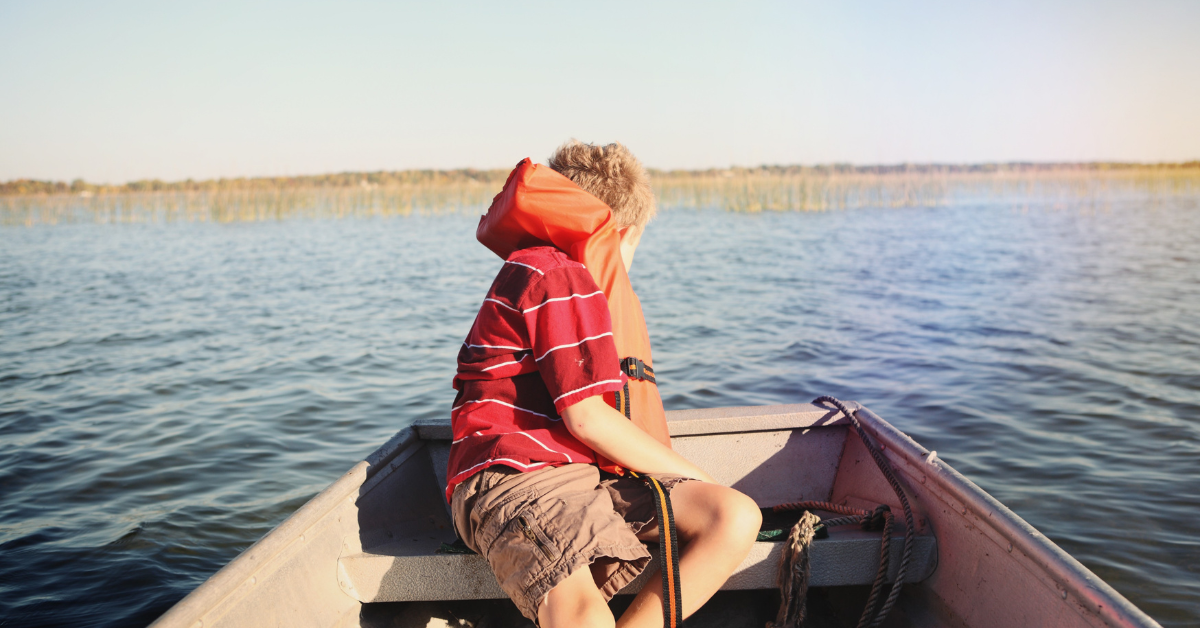
Life jackets are essential when boating, kayaking, paddleboarding, or participating in water sports.
Children should wear properly fitted life jackets at all times near open water.
2. Watch for Changing Conditions
Lake conditions can shift quickly due to:
- Wind
- Waves
- Water depth changes
- Underwater obstacles
Always check weather conditions before heading out.
3. Avoid Swimming Alone
Swimming with others improves safety in case of fatigue, cramps, or emergencies.
Beach Safety Tips
Beaches can be fun and relaxing, but ocean water comes with unique risks.
1. Swim Near Lifeguards
Whenever possible, choose beaches with lifeguards on duty. Lifeguards are trained to respond quickly during emergencies.
2. Understand Rip Currents
Rip currents are strong channels of water moving away from shore.
If caught in a rip current:
- Stay calm
- Do not swim directly against it
- Swim parallel to the shore until free from the current
- Then swim back toward land
3. Pay Attention to Warning Flags
Beach warning flags provide important safety information about water conditions and hazards.
Protect Yourself from Heat and Sun
Water activities often involve extended time outdoors, making heat and sun safety important too.
Summer Safety Reminders:
- Drink plenty of water
- Reapply sunscreen regularly
- Take breaks in the shade
- Wear hats and UV-protective clothing
Dehydration and heat exhaustion can happen quickly during outdoor activities.
Be Prepared for Emergencies
Preparation can make a major difference during an emergency.
Important Safety Steps:
- Learn CPR and basic first aid
- Keep emergency contacts accessible
- Know the location of lifeguards or emergency equipment
- Have flotation devices available
Quick action can save lives.
Don’t Forget Pet Safety
Pets can enjoy water activities too, but they need supervision and protection.
Pet Water Safety Tips:
- Use pet life jackets when boating
- Provide fresh drinking water
- Rinse pets after swimming
- Watch for fatigue or overheating
Not all pets are strong swimmers, so monitor them carefully.
Safe Fun Starts with Awareness
Pools, lakes, and beaches offer wonderful opportunities for recreation and family memories during the summer months. By practicing smart water safety habits, staying alert, and preparing ahead of time, you can help prevent accidents and protect those around you.
Whether you are swimming, boating, or simply relaxing by the water, safety should always come first. A little caution and preparation can help ensure everyone enjoys a fun, safe, and memorable summer season.