
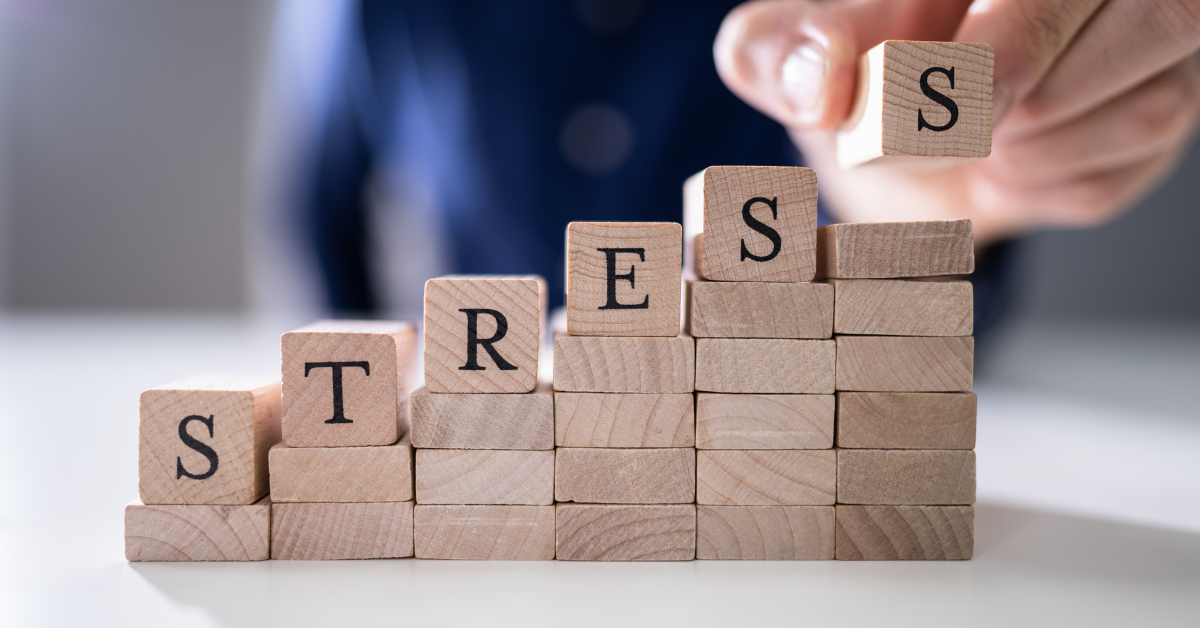
April is Stress Awareness Month, a time to recognize how stress affects our daily lives and explore healthy ways to manage it. While stress is a normal part of life, too much of it can take a toll on your physical health, emotional well-being, and overall quality of life.
The good news is that stress management doesn’t have to be complicated. Small, consistent habits can make a big difference. Here are some simple ways to reduce stress and feel more balanced.
Recognizing the Signs of Stress
Stress can show up in many ways, and it often looks different from person to person. Some common signs include:
- Trouble sleeping
- Irritability or mood swings
- Headaches or muscle tension
- Difficulty concentrating
- Feeling overwhelmed
- Fatigue or low energy
Recognizing these signs is the first step. Once you understand how stress affects you, it becomes easier to respond in healthy ways.
Start with Deep Breathing
When stress hits, your breathing often becomes quick and shallow. Slowing it down can help calm both your body and mind.
Try this simple breathing exercise:
- Inhale through your nose for 4 seconds
- Hold for 4 seconds
- Exhale through your mouth for 4 seconds
- Repeat for 1–2 minutes
This technique can be helpful before a meeting, during a busy day, or anytime you need a quick reset.
Move Your Body
Physical activity is one of the most effective ways to manage stress. Exercise can improve mood, reduce tension, and help you sleep better.
You don’t need a long workout to feel the benefits. Simple options include:
- Taking a short walk
- Stretching in the morning
- Doing yoga at home
- Dancing to music
- Taking the stairs when possible
Even 10 to 20 minutes of movement can help clear your mind and boost your mood.
Prioritize Rest and Sleep
Stress and poor sleep often go hand in hand. When you’re stressed, sleep can suffer. And when you’re tired, it’s harder to handle daily challenges.
A few sleep-friendly habits include:
- Going to bed at the same time each night
- Limiting screen time before bed
- Keeping your bedroom cool and quiet
- Avoiding caffeine late in the day
- Creating a relaxing nighttime routine
Better sleep can make a major difference in how you feel and function.
Take Breaks from Technology
Phones, emails, and social media can add to mental overload. Taking short breaks from screens can help reduce stress and improve focus.
Try these simple digital detox habits:
- Turn off nonessential notifications
- Put your phone away during meals
- Step outside without your device
- Avoid scrolling before bed
- Set limits on social media use
Creating a little distance from constant digital input can help your mind rest.
Set Healthy Boundaries
Many people feel stressed because they are stretched too thin. Learning to say no and protect your time is an important part of stress management.
Healthy boundaries might look like:
- Declining extra commitments
- Asking for help when needed
- Setting work-life limits
- Making time for rest without guilt
You do not have to do everything. Protecting your energy helps prevent burnout.
Make Time for Things You Enjoy
When life gets busy, enjoyable activities often get pushed aside. But doing something you enjoy can be a powerful stress reliever.
You might try:
- Reading
- Baking
- Gardening
- Listening to music
- Journaling
- Doing a craft or puzzle
- Spending time with pets
These activities can help you slow down and reconnect with yourself.
Stay Connected
Stress can feel even heavier when you deal with it alone. Talking to someone you trust can provide comfort and perspective.
Make time to:
- Call a friend
- Check in with a family member
- Meet someone for coffee or a walk
- Join a group or community activity
Connection matters, and even a short conversation can help lighten the load.
Focus on What You Can Control
Stress often grows when we focus on everything that feels uncertain. One helpful strategy is to shift your attention to what you can control.
Ask yourself:
- What is one small thing I can do right now?
- What can wait until later?
- What is truly within my control today?
Breaking challenges into smaller steps can make them feel more manageable.
When to Reach Out for Help
Sometimes stress becomes more than a temporary challenge. If it starts affecting your work, relationships, sleep, or daily functioning, it may be time to talk with a healthcare provider or mental health professional.
Asking for help is a sign of strength. Support is available, and you do not have to manage overwhelming stress alone.
Final Thoughts
Stress is a part of life, but it doesn’t have to take over your life. Stress Awareness Month is a great time to check in with yourself and build a few healthy habits that support your well-being.
Whether you start with deep breathing, a short walk, better sleep, or less screen time, small changes can lead to lasting results. Managing stress isn’t about doing everything perfectly. It’s about finding simple strategies that help you feel calmer, healthier, and more balanced each day.