
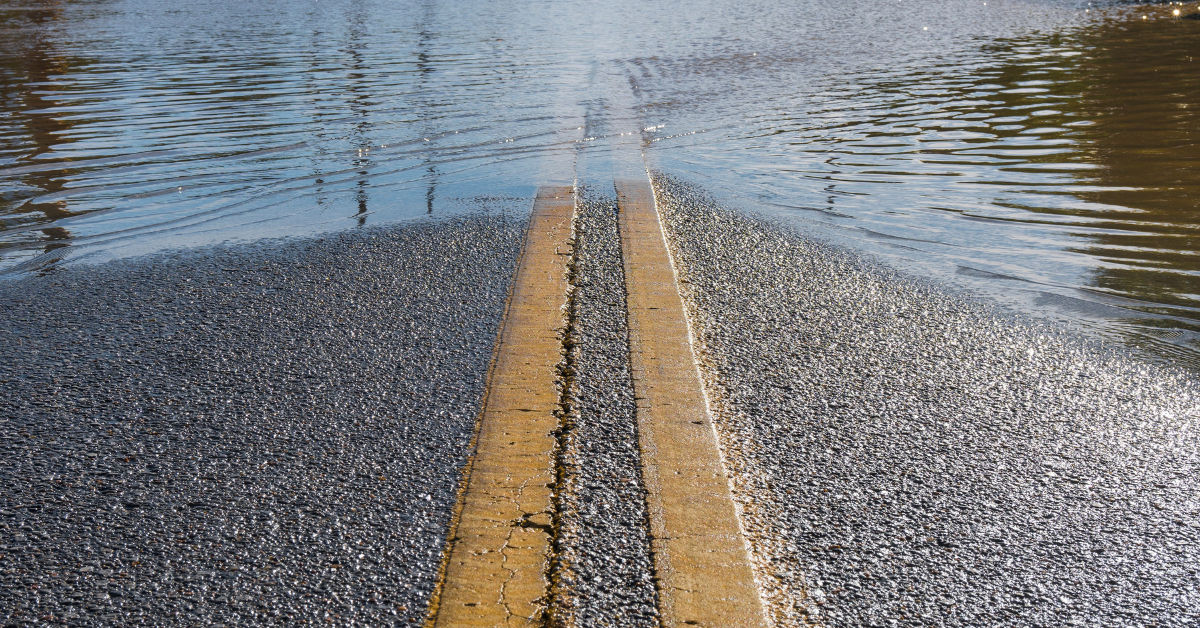
Flooding is one of the most common and costly natural disasters, affecting communities across the country every year. While floods are often associated with heavy rainfall or hurricanes, they can also result from rapid snowmelt, overflowing rivers, clogged drainage systems, or even broken water mains. What makes flooding particularly dangerous is how quickly conditions can change.
Flood safety awareness is not just for those living near rivers or coastlines. Flash floods and urban flooding can impact almost anyone. Understanding the risks and knowing how to respond can significantly reduce injuries, property damage, and stress during an emergency.
Understanding Flood Risks
Floods can develop in many ways, and recognizing potential hazards is the first step toward staying safe.
Types of Flooding
- Flash Floods: Sudden and fast-moving, often with little to no warning.
- River Flooding: Occurs when rivers or streams overflow their banks.
- Urban Flooding: Happens when drainage systems cannot handle heavy rainfall.
- Coastal Flooding: Typically associated with storms and rising tides.
Even a few inches of water can create hazardous conditions. Floodwaters can hide debris, downed power lines, and damaged roadways.
How to Prepare Before a Flood
Preparation is one of the most effective ways to protect your household.
1. Know Your Flood Risk
Determine whether your home is located in a flood-prone area. Understanding your risk helps you make informed decisions about insurance, home improvements, and emergency planning.
2. Create an Emergency Plan
Every family should have a clear plan for emergencies.
Your plan should include:
- Evacuation routes and meeting points
- Emergency contacts
- A communication strategy
- Plans for pets and family members with special needs
Practice your plan so everyone knows what to do under pressure.
3. Build an Emergency Kit
Flooding can disrupt power, water, and transportation. Prepare supplies to last at least 72 hours.
Essential items include:
- Bottled water
- Non-perishable food
- Flashlights and batteries
- First aid kit
- Medications
- Important documents in waterproof containers
- Phone chargers and backup power
4. Protect Your Property
Simple preventative measures can minimize damage:
- Clear gutters and drains
- Elevate valuable items and electronics
- Seal basement cracks
- Consider sump pumps or backflow valves
What to Do During a Flood
When flooding occurs, quick and smart decisions are critical.
1. Never Drive Through Floodwaters
This is one of the most important safety rules. It takes only 12 inches of moving water to carry away a vehicle. Roads beneath floodwaters may be washed out or unstable.
Remember:
Turn Around, Don’t Drown.
2. Move to Higher Ground
If flooding threatens your area:
- Evacuate immediately if advised
- Avoid low-lying areas
- Stay away from rivers, streams, and drainage channels
3. Avoid Floodwaters
Floodwaters are not just water—they may contain:
- Sewage
- Chemicals
- Sharp debris
- Electrical hazards
Even shallow water can be dangerous.
4. Stay Informed
Monitor weather alerts and emergency updates through reliable sources.
Electrical and Utility Safety
Water and electricity are a dangerous combination.
During flooding:
- Avoid downed power lines
- Do not use electrical appliances in wet areas
- Shut off utilities if instructed and safe to do so
- If you suspect gas leaks or electrical damage, contact professionals immediately.
After the Flood: Staying Safe During Recovery
Flood dangers don’t end when the water recedes.
1. Return Home Only When Safe
Wait for official clearance. Floodwaters can weaken structures, roads, and bridges.
2. Watch for Hidden Hazards
Be cautious of:
- Structural damage
- Mold growth
- Contaminated surfaces
- Damaged utilities
Wear protective gear when cleaning.
3. Document Damage
Take photos and videos for insurance purposes before beginning repairs.
4. Clean and Disinfect
Floodwaters can leave behind bacteria and contaminants. Thorough cleaning is essential for health and safety.
Special Considerations for Children and Pets
Flooding can be especially stressful for families.
- Keep children away from standing water
- Prevent pets from drinking floodwater
- Maintain routines as much as possible
Community Preparedness: Looking Out for One Another
Flood safety is a shared responsibility. Communities are stronger when residents help each other.
Ways to contribute:
- Check on elderly or vulnerable neighbors
- Share safety information
- Volunteer during recovery efforts
Awareness Saves Lives
Flooding is unpredictable, but preparation and awareness can make all the difference. By understanding risks, planning ahead, and responding carefully during emergencies, families can stay safer and recover more effectively.
Flood safety awareness isn’t just about reacting—it’s about being proactive, informed, and ready.
Stay alert, stay prepared, and remember that safety always comes first.