
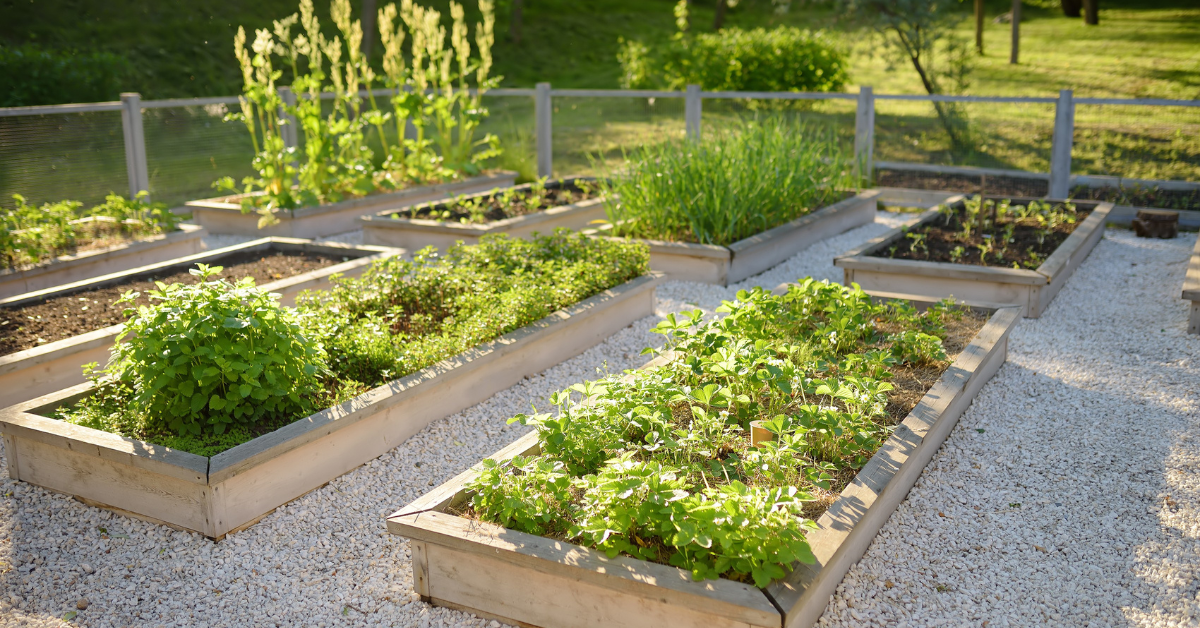
Winter may still be in full swing, but February is an ideal time to dream up your spring garden. Planning now gives you a head start on growing fresh vegetables, fragrant herbs, and beautiful blooms once the weather warms up. Whether you’re a first-time gardener or a seasoned green thumb, organizing your thoughts, tools, and seeds early will ensure your garden is ready to thrive.
Evaluate Last Year’s Garden (If Applicable)
Start your planning process by reflecting on last year’s garden:
- What grew well?
- What didn’t perform as expected?
- Did you plant too much or not enough?
- Were there pest or soil issues?
Make a quick list of lessons learned so you can apply them to this year’s plan. If this is your first garden, consider starting small to avoid being overwhelmed.
Set Your Gardening Goals
Knowing your goals will help you design a garden that fits your lifestyle. Do you want to:
- Grow your own produce to save on grocery costs?
- Create a butterfly or pollinator-friendly space?
- Beautify your yard with flowers?
- Explore container gardening on a balcony?
Write down a few key goals to guide your plant choices and layout.
Know Your USDA Hardiness Zone
Before selecting seeds or plants, determine your USDA Hardiness Zone. This information tells you what will grow well in your region and when to plant.
Understanding your zone will help you plan your seed starting schedule and decide between direct-sowing outdoors or starting indoors.
Start Sketching Your Garden Layout
Draw a simple sketch of your garden space. Include:
- Raised beds, containers, or rows
- Sunny vs. shady areas
- Paths or walkways
- Trellises or climbing supports
This layout doesn’t need to be perfect, but it should reflect the size and orientation of your space. Consider companion planting and crop rotation when deciding where to place your veggies and herbs.
Take Inventory of Tools and Supplies
Before planting season arrives, check your supplies:
- Garden tools – gloves, trowels, pruners, etc.
- Containers or seed trays for indoor starts
- Grow lights or heating mats, if needed
- Compost bins or bags
- Watering cans or hoses
Clean and sharpen tools now, and make a list of anything that needs replacing.
Choose the Right Seeds
February is seed-buying season. Order early for the best selection. Look for:
- Cool-season crops like lettuce, spinach, kale, and radishes
- Warm-season crops like tomatoes, cucumbers, squash, and peppers
- Flowers like marigolds, zinnias, and cosmos to attract pollinators
You can also look for heirloom or organic varieties. Be sure to check seed packet info for germination rates and planting timelines.
Start Seeds Indoors
Some plants benefit from getting a head start indoors before being transplanted outside. In most regions, late February is the time to start:
- Tomatoes
- Peppers
- Eggplant
- Broccoli
- Cabbage
Use seed trays and quality potting soil. Place them near a sunny window or under grow lights. Keep the soil moist and warm, ideally around 65–75°F.
Prepare Your Soil
If the ground isn’t frozen, you can begin preparing your beds. Otherwise, take this time to:
- Test your soil’s pH and nutrient levels with a kit
- Research amendments like compost, manure, or lime
- Plan for raised beds if drainage is an issue
Good soil = a good garden. Spend time enriching it before planting season.
Plan for Pest and Weed Control
Thinking ahead about pests can save you time and frustration. Consider:
- Companion planting (e.g., marigolds to deter nematodes)
- Installing physical barriers (row covers, netting)
- Hand weeding early in the season
- Mulching with straw or bark to suppress weeds
You might also want to explore natural pest deterrents or pollinator-friendly practices.
Create a Planting Calendar
Use a gardening planner or spreadsheet to outline:
- When to start seeds indoors
- When to transplant outdoors
- When to direct sow certain crops
- When to harvest
Cultivate Joy and Simplicity
Garden planning in February isn’t just about logistics—it’s about hope, joy, and anticipation. Dreaming of fresh herbs, colorful blooms, and baskets of homegrown veggies is the perfect antidote to winter blues.
Whether you’re starting with a few containers or planning a full backyard farm, now is the time to get organized, inspired, and ready to dig in.